

From Camera to Algorithm: A Photographer’s Guide to AI Aesthetics
Field Notes from the Intersection of AI & Photography

Everyone’s talking about prompts. Model versions. Parameter settings. The technical stuff.
But here’s what I’ve learned after months of creating AI art: the real competitive advantage isn’t knowing which model to use or how to write the perfect prompt.
It’s knowing how to see.
And if you’re a photographer making the leap to AI, you already have the most valuable skill - you just might not realize it yet.
The Technologists Are Learning the Wrong Thing First
I see a lot of people approaching AI art backwards. They’re diving deep into the technical specs - learning about diffusion models, studying parameter effects, memorizing prompt syntaxes. All useful stuff, sure.
But they’re skipping the fundamentals that photographers spent years developing: composition, light, color theory, visual storytelling, the relationship between elements in a frame.
The tech is just the tool. Your trained eye is the superpower.
And that eye? You can’t prompt your way into it. It comes from shooting thousands of images, studying what works and what doesn’t, developing taste through repetition and failure.
What Actually Translates From Photography to AI
1. Composition Is Still Everything
The rule of thirds doesn’t stop working because you’re using AI instead of a camera. Leading lines still lead. Negative space still matters. Balance and tension still create impact. I like to know the rules, so I can break them.
When I generate an image, I’m not just thinking about what I want in the frame - I’m thinking about where everything should be, how the eye should move through the image, what the focal point is.
Example from my professional photography work:
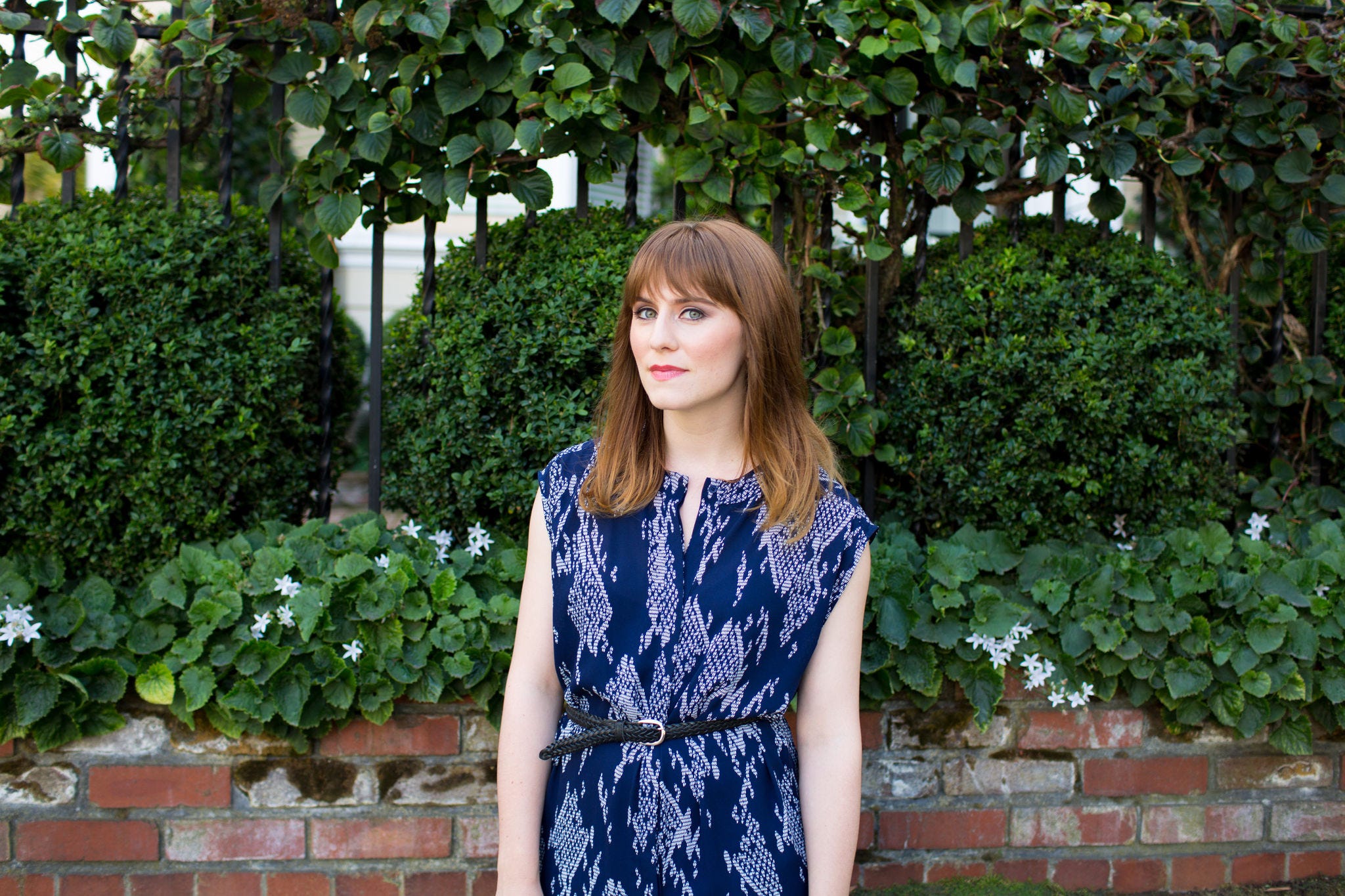
This is composition. Also, remember when everything was horizontal? I miss those days, so much more fun composing images.
2. You Already Know How Light Works
Photographers spend years learning to see light. We know the difference between hard light and soft light. We understand how shadows reveal form. We recognize golden hour, blue hour, the quality of overcast light. I shoot studio and in natural light and it has been fun to see how AI understands what I inherently know.
AI doesn’t know anything about light - until you tell it.
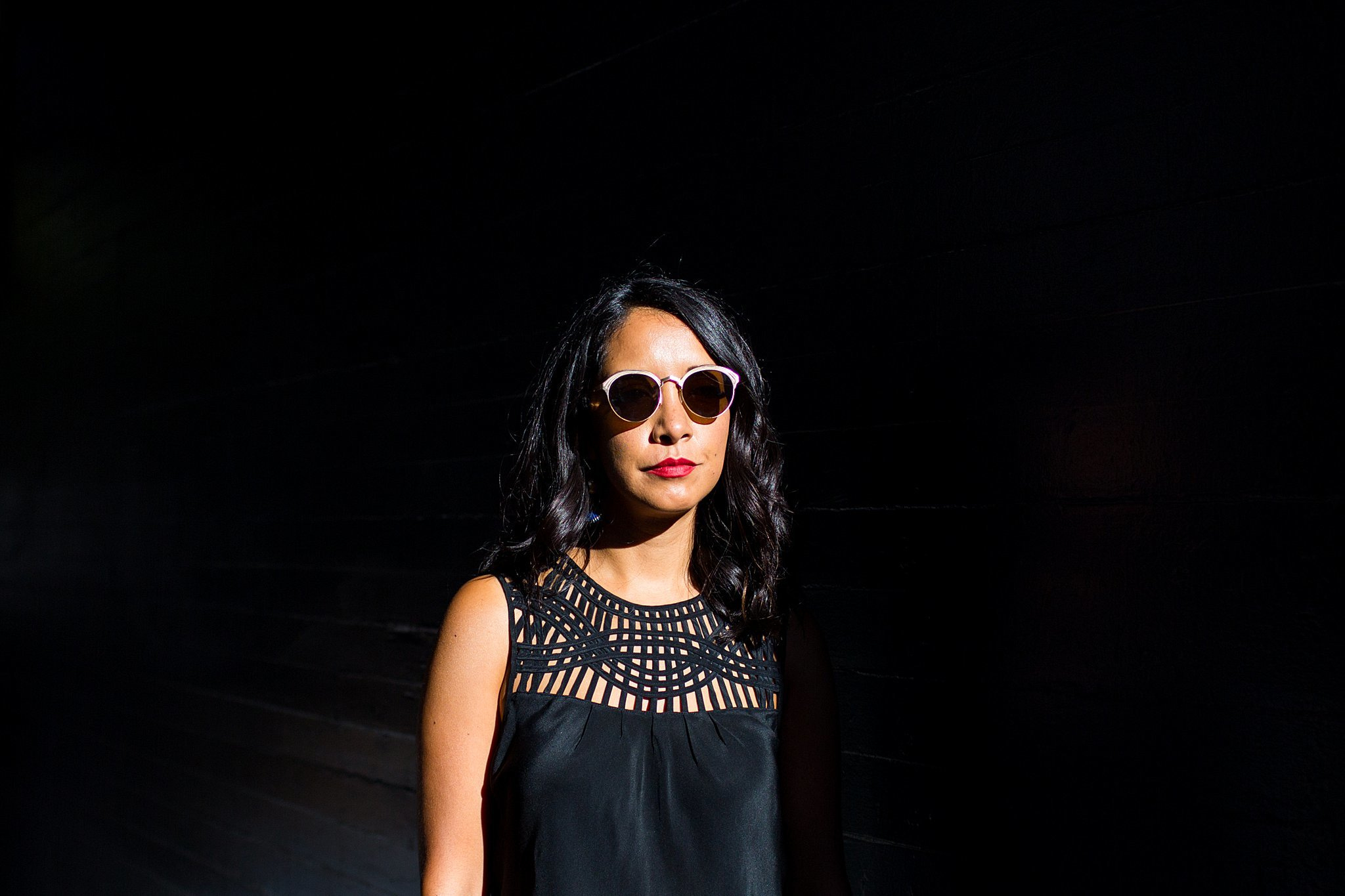
When I’m prompting, I’m constantly referencing my photography knowledge:
“Rim lighting” instead of just “bright”
“Diffused soft light from above” not “good lighting”
“Chiaroscuro lighting” when I want drama
“Backlit with lens flare” because I know exactly how that looks
The difference: A technologist might write: “well-lit portrait” A photographer writes: “portrait lit by a single softbox at 45 degrees, minimal fill, dramatic shadows”
Guess which one gets better results?
3. Iteration Is Your Comfort Zone
Here’s something photographers understand that newcomers struggle with: you’re going to shoot (or generate) 100 images to get one keeper.
That’s not failure. That’s the process.
I’ll iterate on a single concept 30, 50, sometimes 100 times. Each generation teaches me something:
“That color palette is too cool”
“The angle needs to be lower”
“There’s too much going on in the background”
“The lighting is right but the composition is off”
Non-photographers panic at this. “Why isn’t it working??”
But we know this feeling. It’s the same as shooting a portrait session where you take 300 photos to get 10 you love. The difference is we’re not surprised when the first attempt isn’t perfect. When you nail it, you KNOW!
The photographer’s advantage: We’re comfortable in the messy middle of the creative process.
4. Editing Is Where the Magic Happens
The AI generation is like the raw file. What you do after is where you make it yours.
I’m not just accepting what the AI gives me and calling it done. I’m:
Adjusting colors and contrast
Sometimes compositing elements from multiple generations
Fixing distracting details
Enhancing what works, minimizing what doesn’t
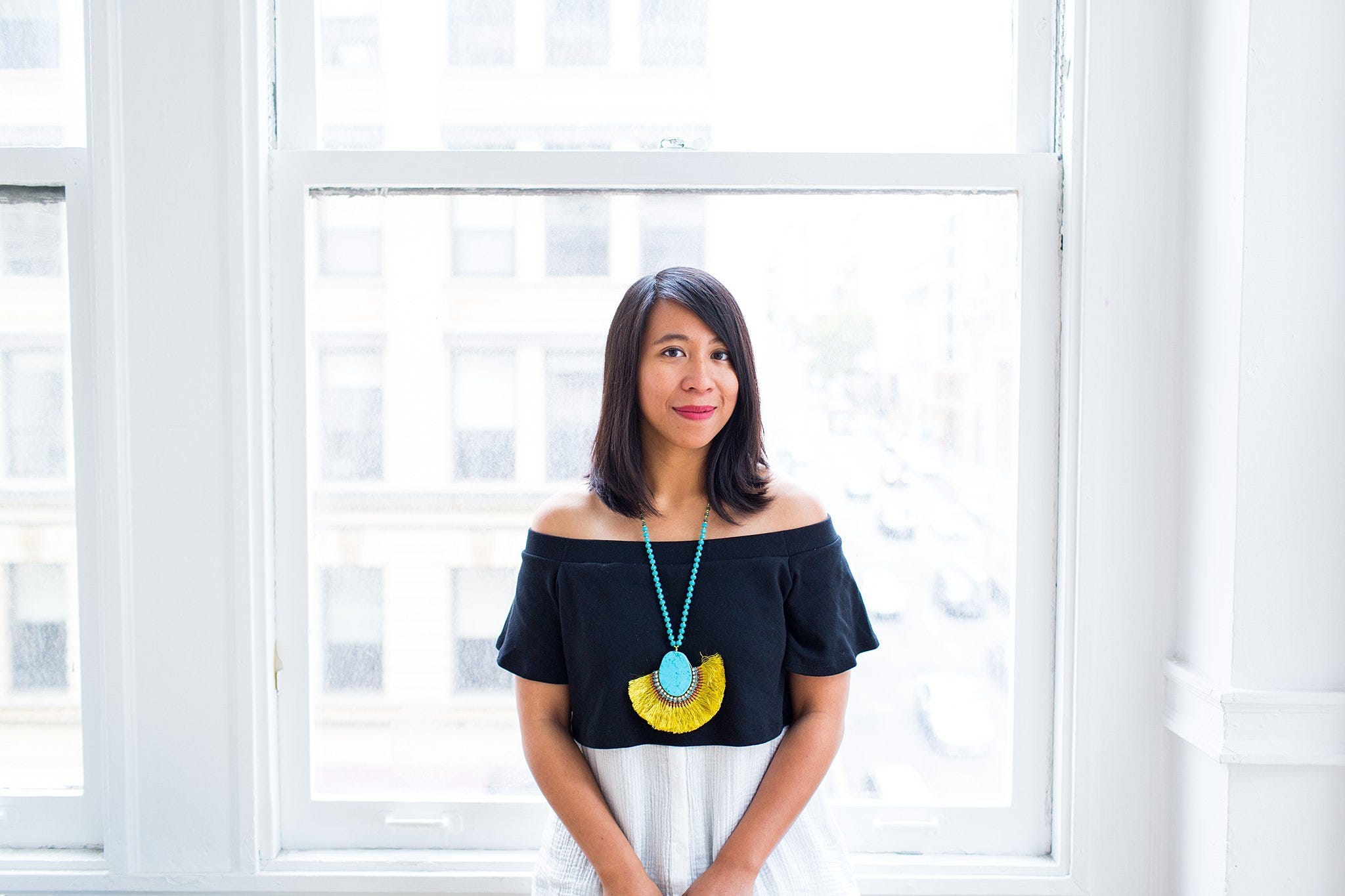
This is second nature to photographers. We’ve been doing this in Lightroom and Photoshop for years.
What I see newer AI artists missing: They think the generated image IS the final image. But photographers know that post-processing is part of the art, not cheating. We’re already comfortable with the idea that the output needs refinement.
5. Vision Before Execution
Here’s the big one: Photographers already think in images.
When someone says “portrait of a woman,” a photographer immediately sees:
What’s the mood?
What’s the lighting scenario?
What’s the wardrobe/styling?
What’s the background/context?
What’s the color palette?
What’s the emotional tone?
What story am I telling?
We don’t think in words - we think in visual possibilities or at least I do.
This is huge for AI work. Because you can’t describe what you can’t envision.
The best AI prompts come from people who can see the image in their head before they type a single word. They’re translating a visual concept into language, not hoping language will create a visual.
What Photographers Bring That Technologists Don’t
Trained Taste
You’ve spent years developing an eye for what works and what doesn’t. You can look at an image and immediately identify why it’s off - the composition is unbalanced, the colors clash, the focal point is unclear. You can also see what does work, that is awesome and so valuable when it comes to AI.
That curatorial eye is gold in AI. You’ll generate better images faster because you can see what needs fixing.
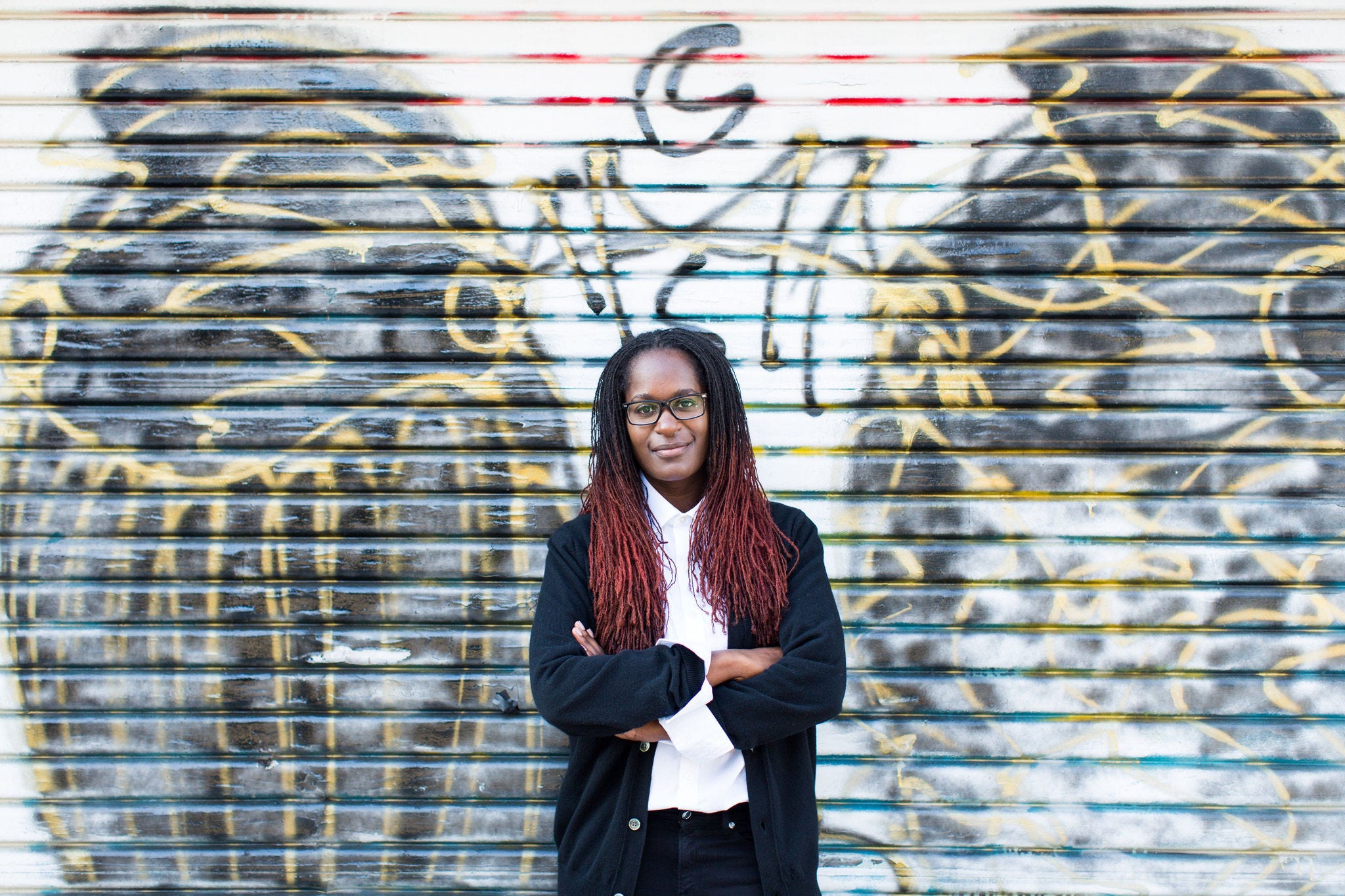
Understanding of Limitations
Photographers know there are things you can’t do with a camera without additional equipment or impossible physics. We’re used to working within constraints and finding creative solutions.
That translates directly to AI. Instead of fighting the tool, we adapt. We work with what’s possible, push where we can, and find workarounds when needed.
A Process
Photography taught you that good work comes from:
Pre-visualizing the shot
Setting up properly
Shooting multiple variations
Reviewing and selecting
Post-processing
Final curation
That’s the exact same workflow for AI. You’re just swapping the camera for a prompt.
Storytelling Instinct
The best photographers aren’t just technically proficient—they tell stories with images. They understand how a single frame can convey emotion, narrative, context.
That storytelling muscle matters even more in AI, where you’re often building entire worlds from scratch. You need to know what details sell the story and what’s just noise.
The Translation Guide
Here’s how I literally translate photography thinking to AI prompting:
Photography brain: “I want dramatic portrait lighting with a single key light from camera left, no fill, black background”
AI prompt: “Portrait with dramatic Rembrandt lighting, single key light from left, deep shadows, black background, chiaroscuro style”
Photography brain: “I’m shooting this at f/1.4 for shallow depth of field, subject sharp, background blur”
AI prompt: “Portrait with shallow depth of field, bokeh background, subject in sharp focus, 85mm lens equivalent”
Photography brain: “Golden hour, warm light, soft shadows”
AI prompt: “Golden hour lighting, warm color temperature, soft diffused light, long shadows”
You’re not learning a new visual language—you’re learning to translate the one you already speak.
Your Foundation Isn’t Obsolete—It’s Your Edge
Here’s what I want you to hear: Your years of photography experience aren’t being replaced by AI. They’re being amplified by it.
Every hour you spent:
Learning to see light
Studying composition
Developing your eye
Understanding color
Refining your taste
Practicing your craft
That wasn’t wasted. That’s your competitive advantage.
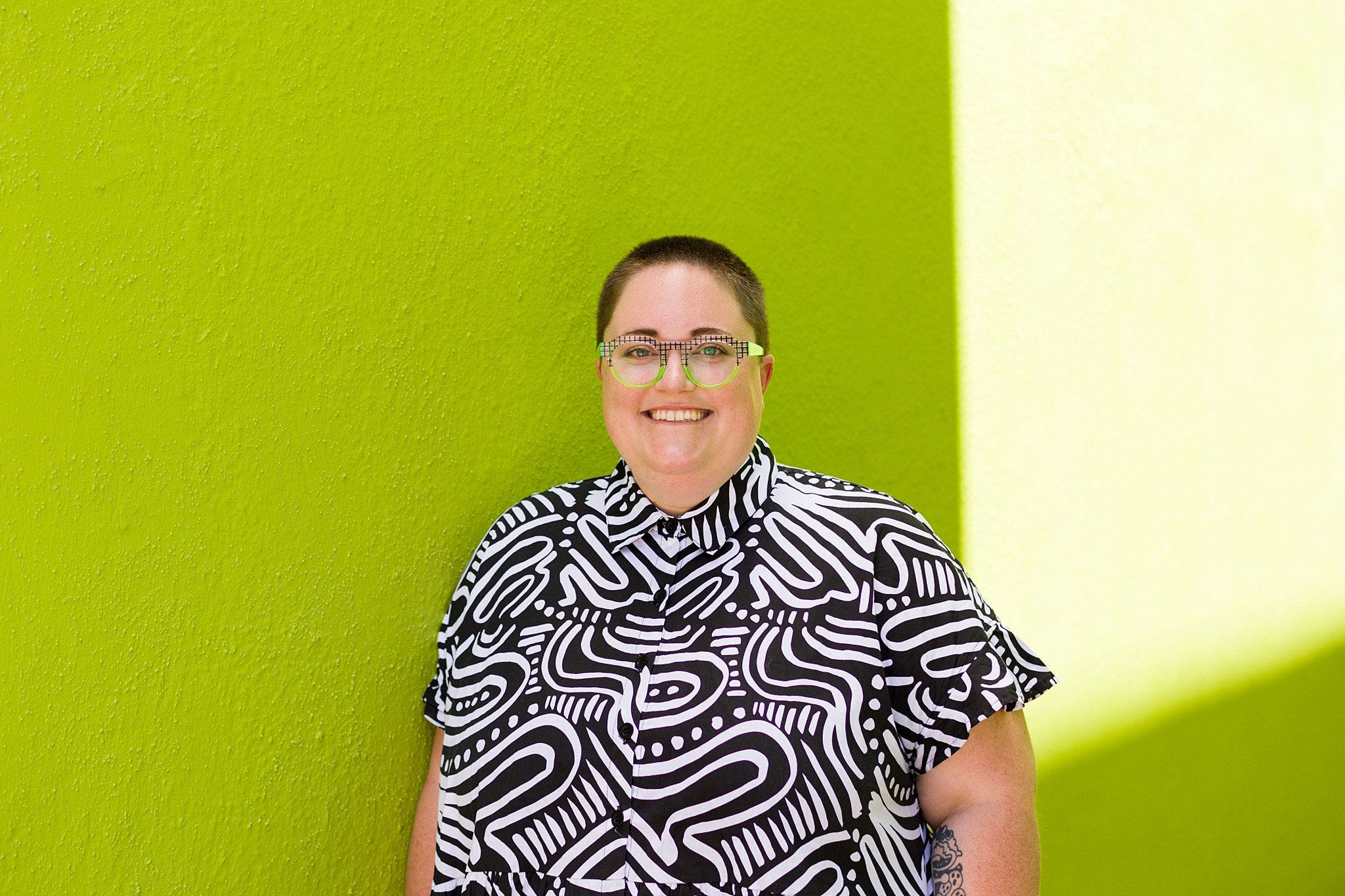
While technologists are learning to code and debug, you already know how to make something beautiful. While they’re figuring out parameters, you’re creating images with intention and skill.
The camera taught you to see. AI is just giving you a new way to capture that vision.
What This Means Practically
If you’re a photographer intimidated by AI:
Stop thinking you need to become a technologist. You don’t. You need to become a translator - taking your visual knowledge and expressing it through prompts instead of camera settings.
Start with what you know. Don’t try to create things outside your visual vocabulary yet. Make portraits if you’re a portrait photographer. Make landscapes if that’s your world. Use your existing expertise.
Trust your eye. When something feels off about an AI generation, you’re probably right. Your trained eye is telling you what’s wrong - listen to it and iterate.
Remember that it’s still about the image, not the tool. Whether you captured it with a camera or generated it with AI, the question is: Is it good? Does it communicate what you want? Does it have impact?
If yes, you succeeded. The tool doesn’t matter.
The Bottom Line
Photography didn’t teach you to use a camera. It taught you to see.
And seeing, really seeing, with trained eyes and developed taste is the skill that matters in AI art.
The technologists will catch up on the visual stuff eventually. But we’ve got a really big head start.
Use it.
What photography principles have you found most valuable in your AI work? Or if you’re just starting with AI, what aspects of photography do you think will translate best? Let’s discuss in the comments.